

A Brasileira do Chiado

I carry within me all the dreams of the world.
Fernando Pessoa (1888-1935)
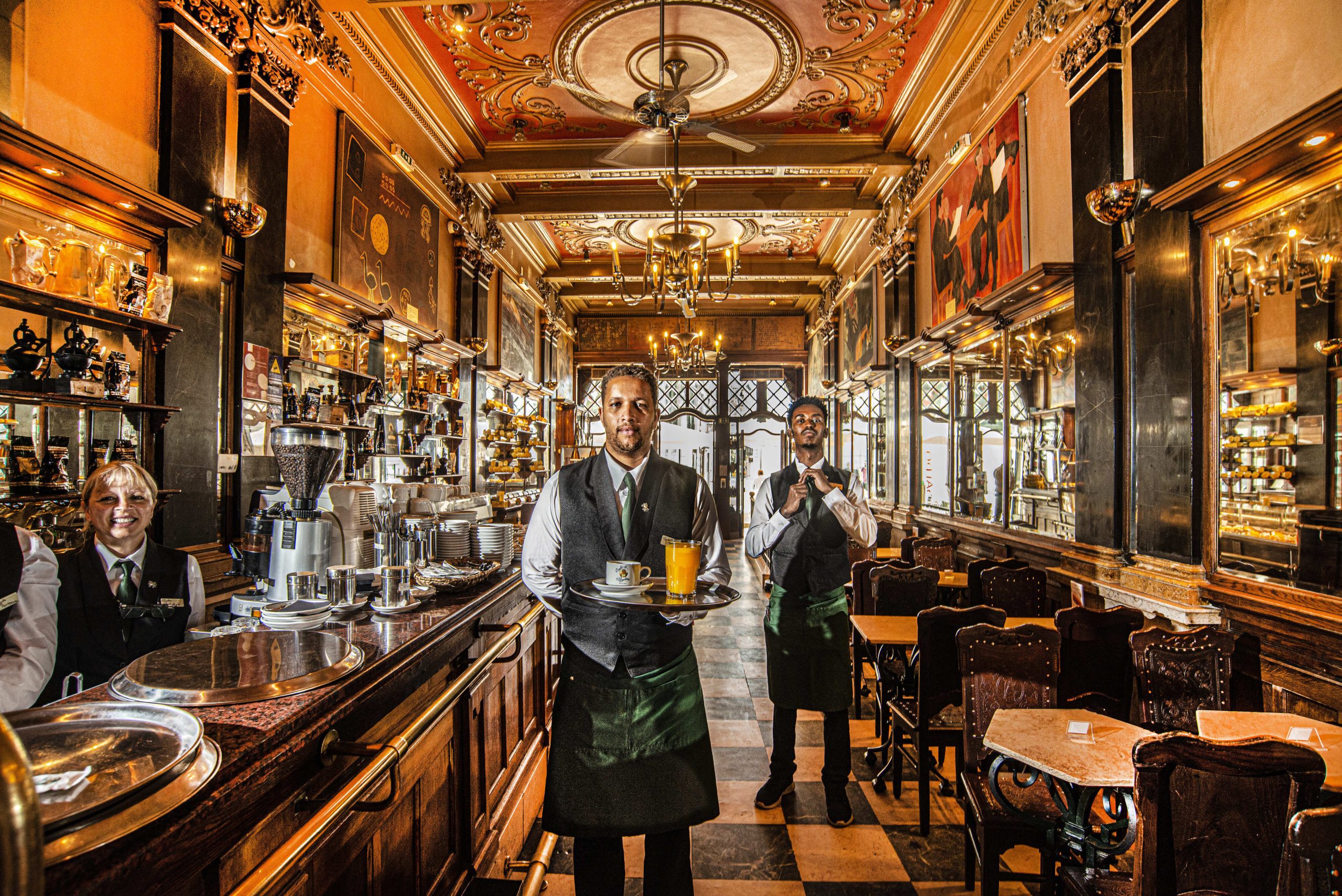
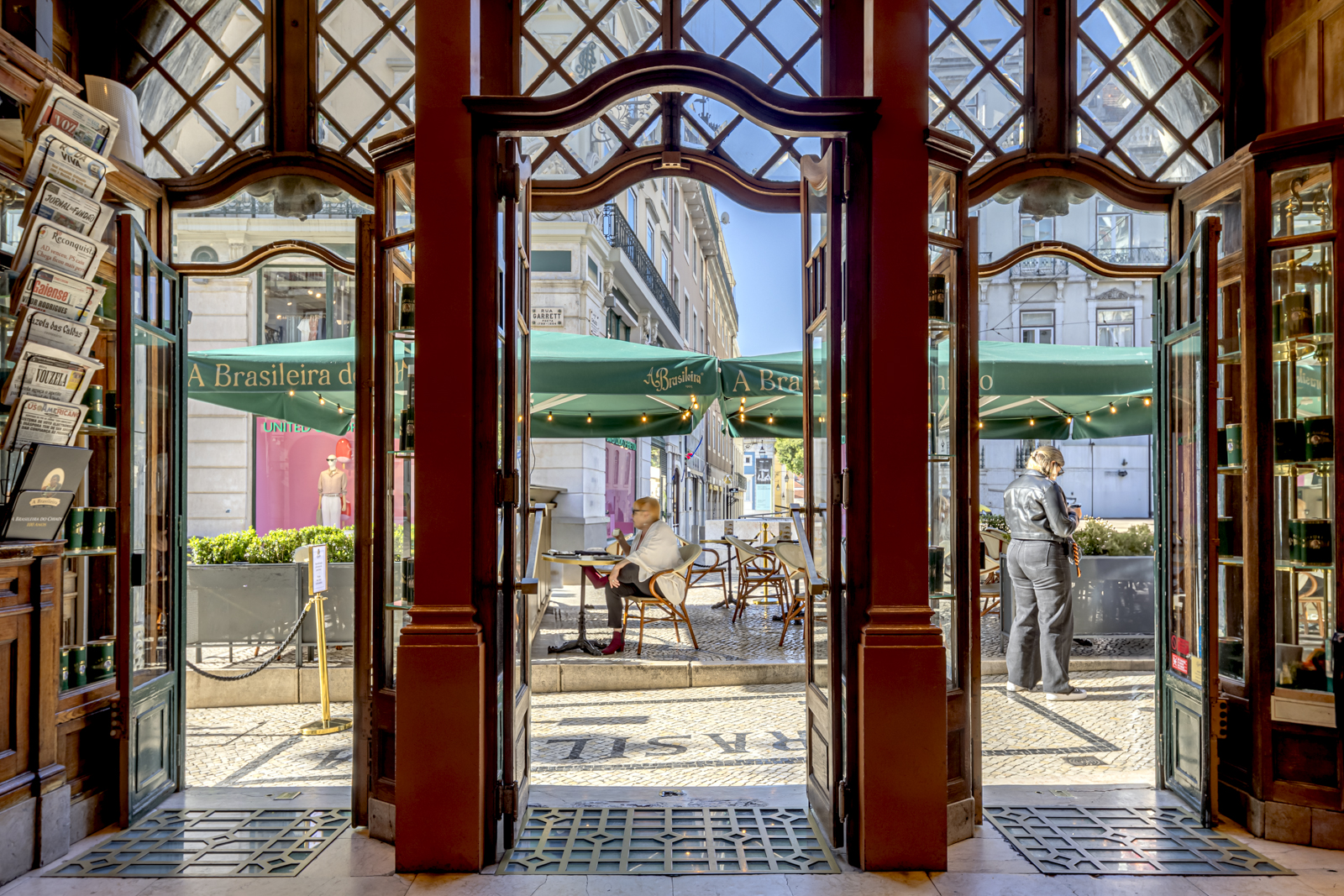
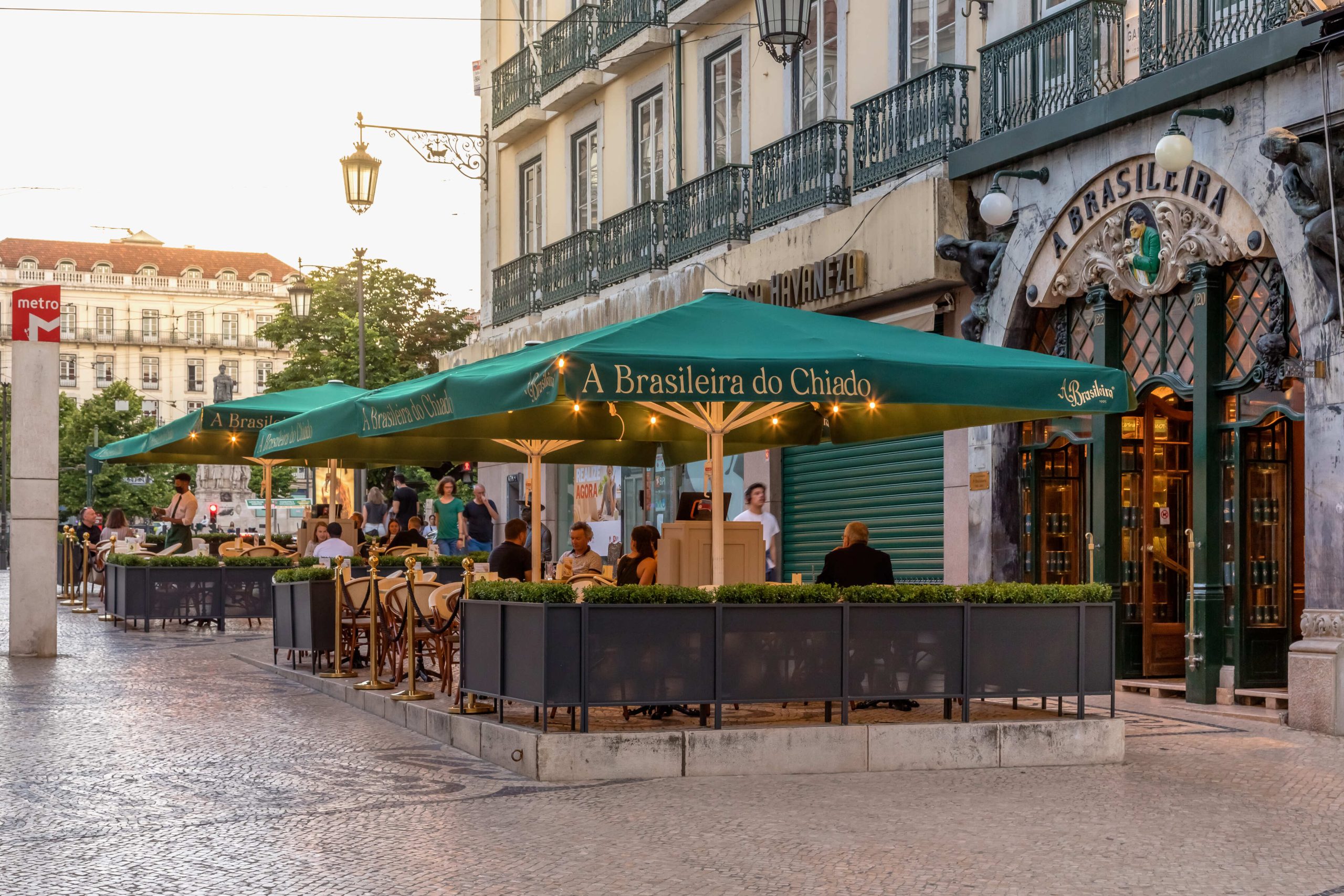
A Brasileira is the beating heart of Chiado – a literary, architectural and artistic landmark that transcends generations and remains faithful to the charm and elegance of another era. More than one of Lisbon’s oldest cafés, it is its most iconic. A space where the city’s memory is served at the table, and where a coffee – a bica – still invites a pause and a conversation, under the silent gaze of Fernando Pessoa.
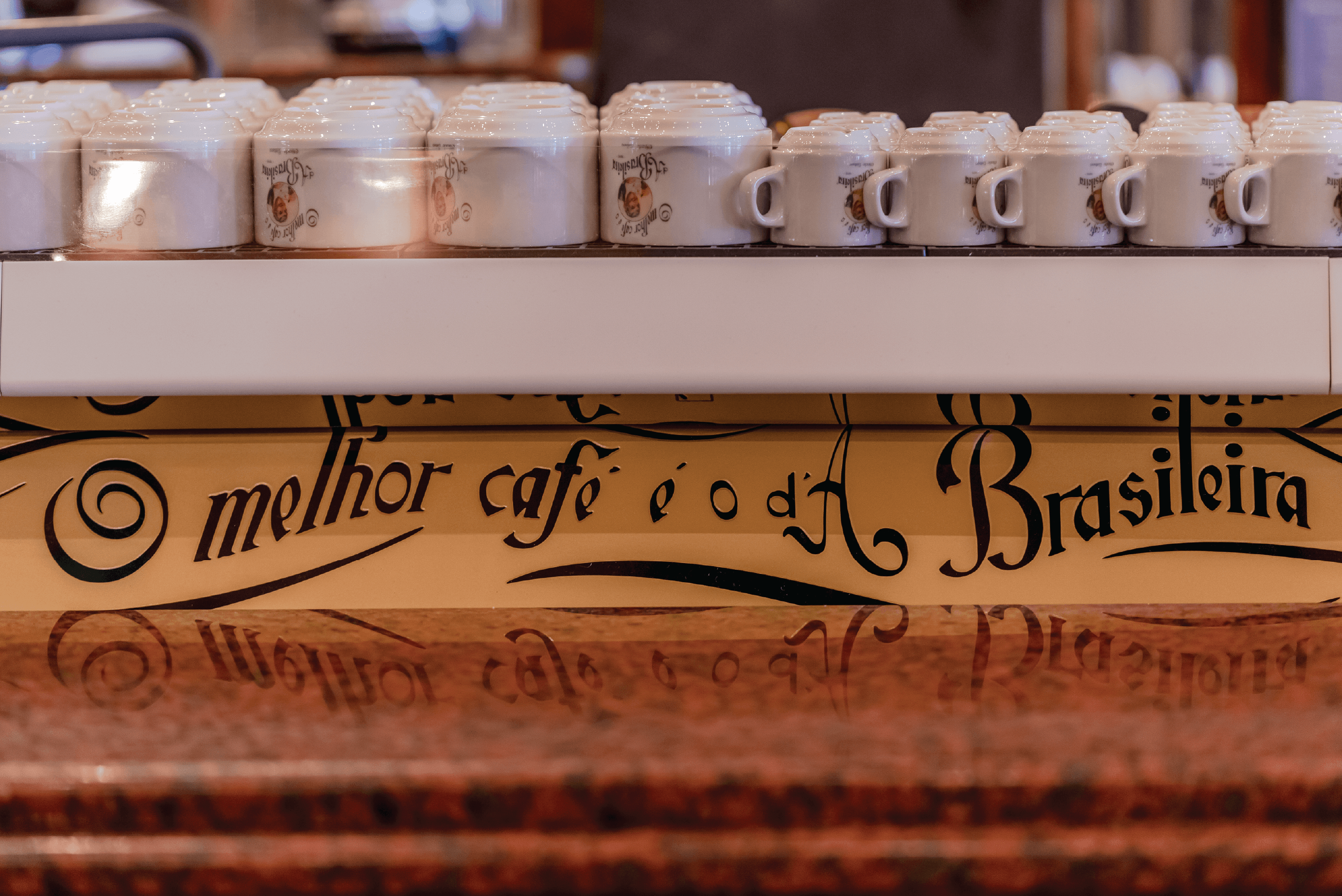
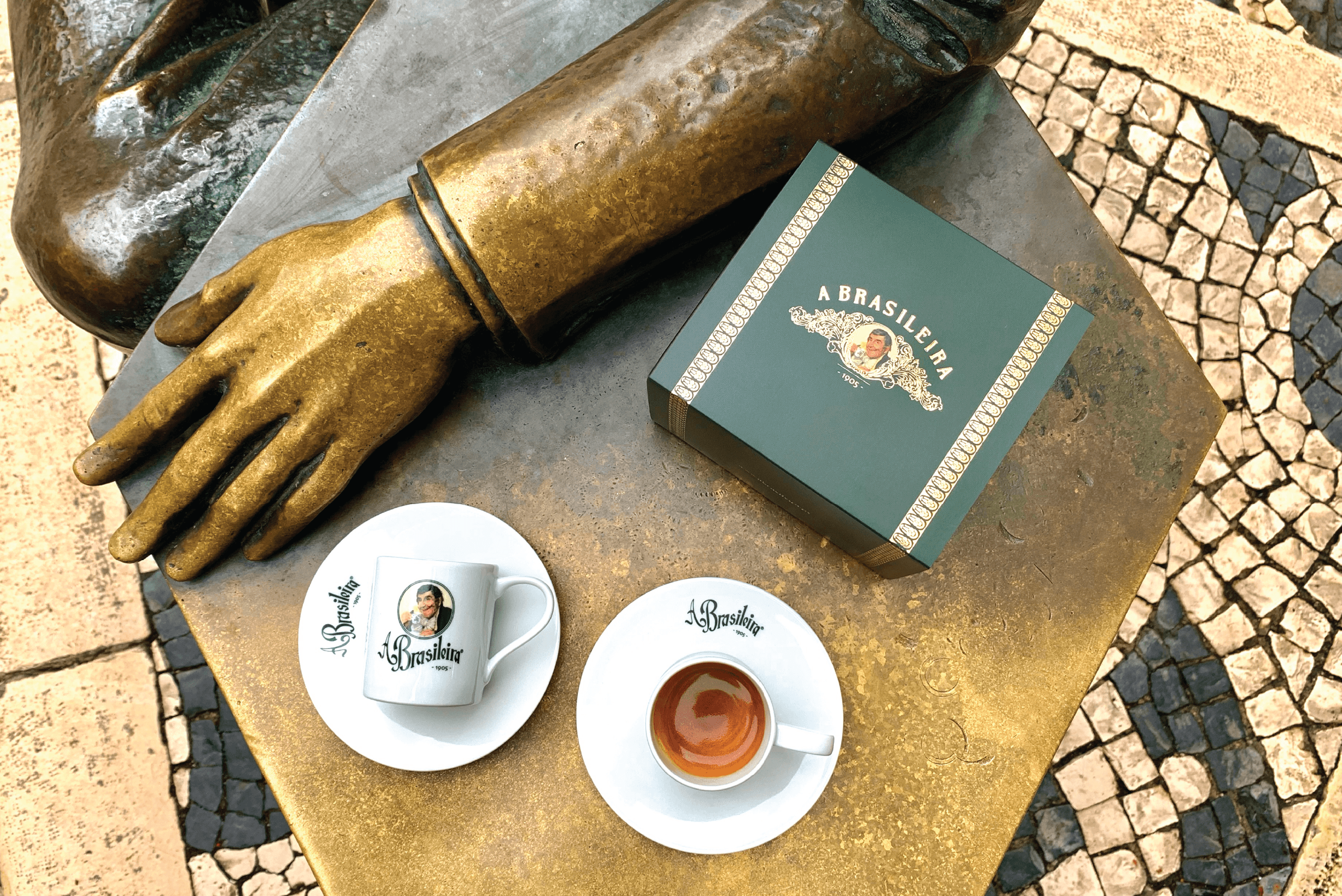
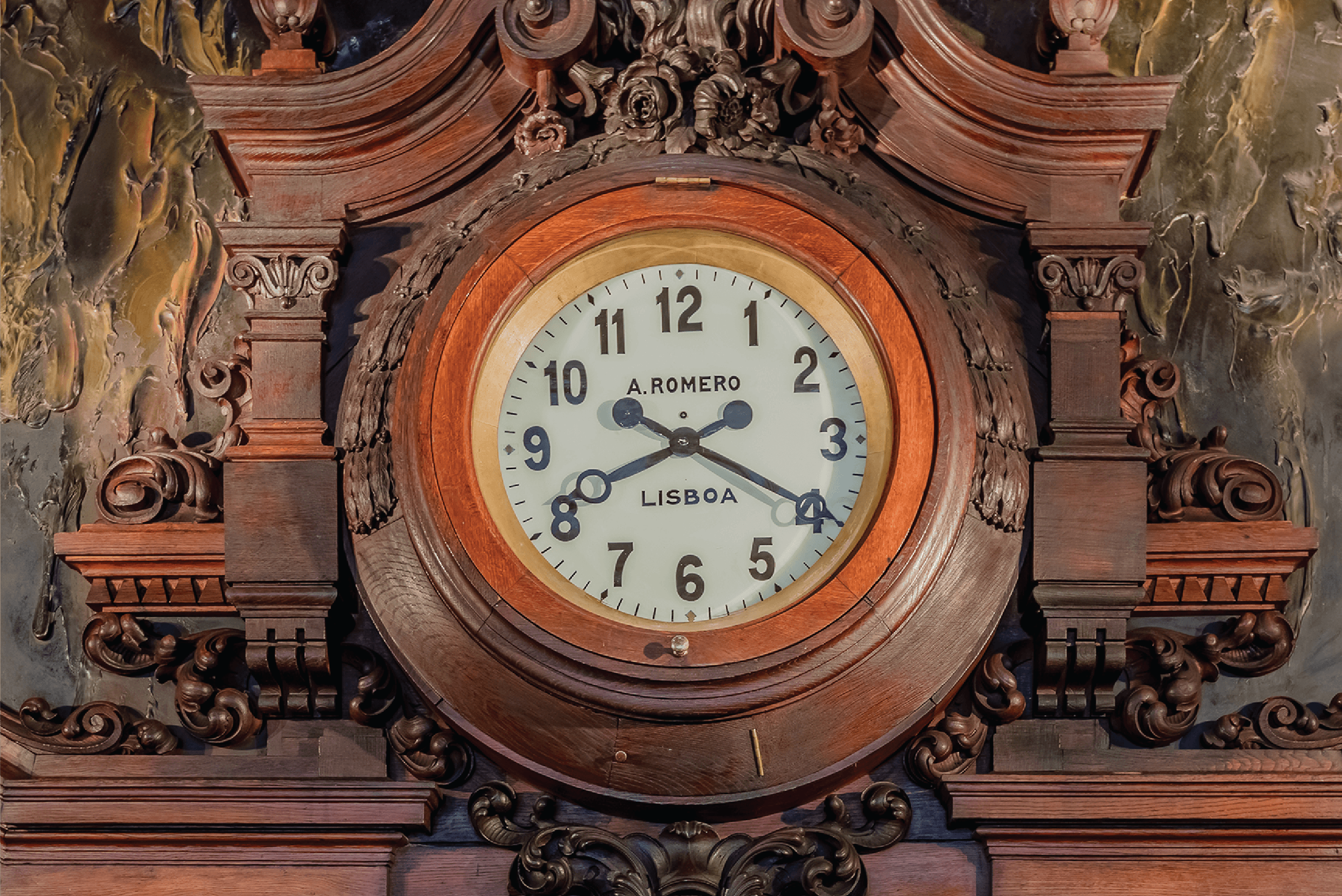

1905 - 2025: A century and two decades inspiring Lisbon
In 1905, A Brasileira do Chiado gave birth to much more than a café: it gave birth to a symbol. A place where history is served in cups, and where the city reflects itself in the conversations held over coffee. One hundred and twenty years have passed, yet Chiado still finds here its beating heart.
On its 120th anniversary, A Brasileira do Chiado celebrated its legacy in a living way. The commemorations took place throughout November and included moments of deep cultural and symbolic significance.
On November 7th, A Brasileira launched the first-ever translation of Fernando Pessoa’s Mensagem into Tetum, the official language of Timor-East, an absolute first in Portuguese literary history. The project, presented in partnership with Camões – Institute for Cooperation and Language, the Oriente Foundation and the Embassy of Timor-East, also marked the 50th anniversary of the first Timorese declaration of independence.
But the celebration did not end there. Throughout the month, leading figures from culture, tourism, the arts and history shared their reflections on the importance of A Brasileira, on historic cafés, and on their influence in shaping Portugal’s cultural and economic identity. Voices that give face to a collective heritage and reinforce A Brasileira’s role as a living stage for thought, art and city life.
On November 19th, the day of its 120th anniversary, Teatro São Luiz hosted Mensagem Live an event where special guests revisited Pessoa’s spirit and the memory of A Brasileira as a place of encounter, history and inspiration.
A Brasileira reaches 120 years true to its essence: a space that withstands time and preserves the roots of a Lisbon that knows how to honour and continue its own history.


History of A Brasileira
Inaugurated on November 19, 1905, in the heart of Chiado, A Brasileira was born where once stood a shirtmaker’s shop. It was founded by Adriano Soares Telles do Valle (1859 – 1932), a native of Alvarenga, who had left for Brazil in 1872, where he married the daughter of one of the largest coffee producers in the Minas Gerais region, becoming a renowned farmer, merchant and man of culture.
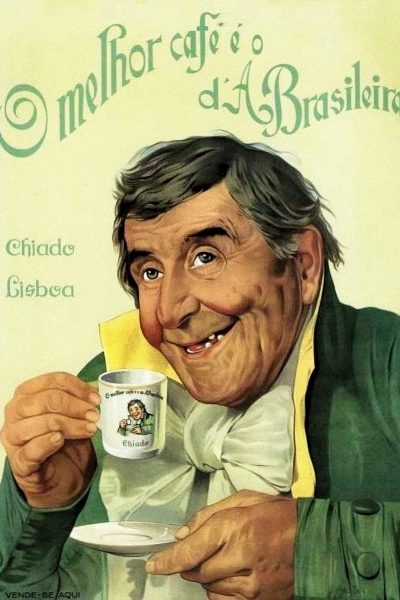
Back in Portugal in 1898 due to his wife’s health issues, Adriano Telles brought with him the coffee business and the desire to introduce Brazilian coffee to the Portuguese public, who were used to African coffee and found Brazilian coffee too bitter. Adriano Telles built a network of A Brasileira cafés in Porto, Coimbra, Braga, Seville and, of course, Lisbon – in Rossio and Chiado – where he served coffee by the cup for free to anyone who bought other products, helping to demystify Brazilians’ taste for coffee. This pioneering and visionary move quickly created habits and gave rise to a new ritual.
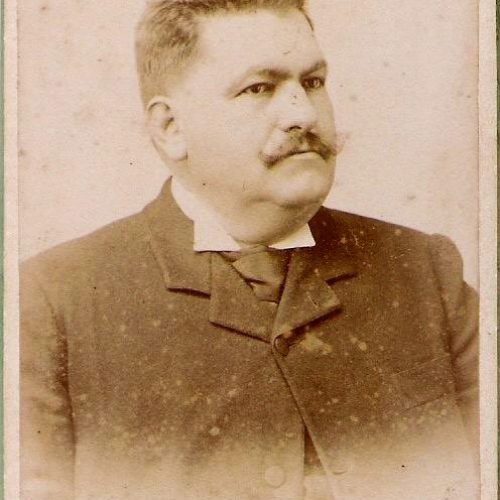
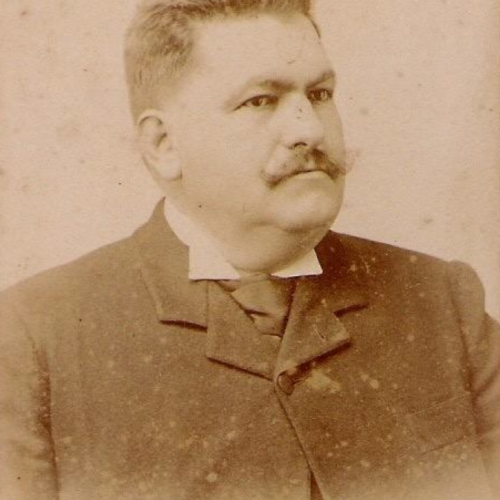
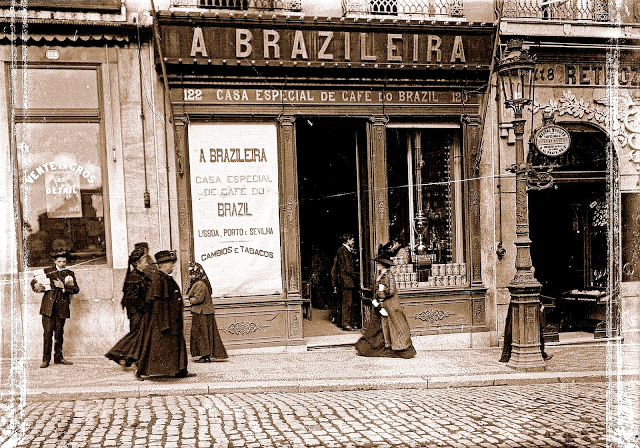
From the very beginning, A Brasileira stood out for the refinement of its architecture. Designed by architect Manuel Norte Júnior, the façade and interior decoration followed the Parisian taste of the time. It was a space of elegance, designed to welcome those who shaped the city: lawyers, doctors, teachers, artists and writers gathered here, as well as many of the leading figures in the establishment of the Republic.
See more
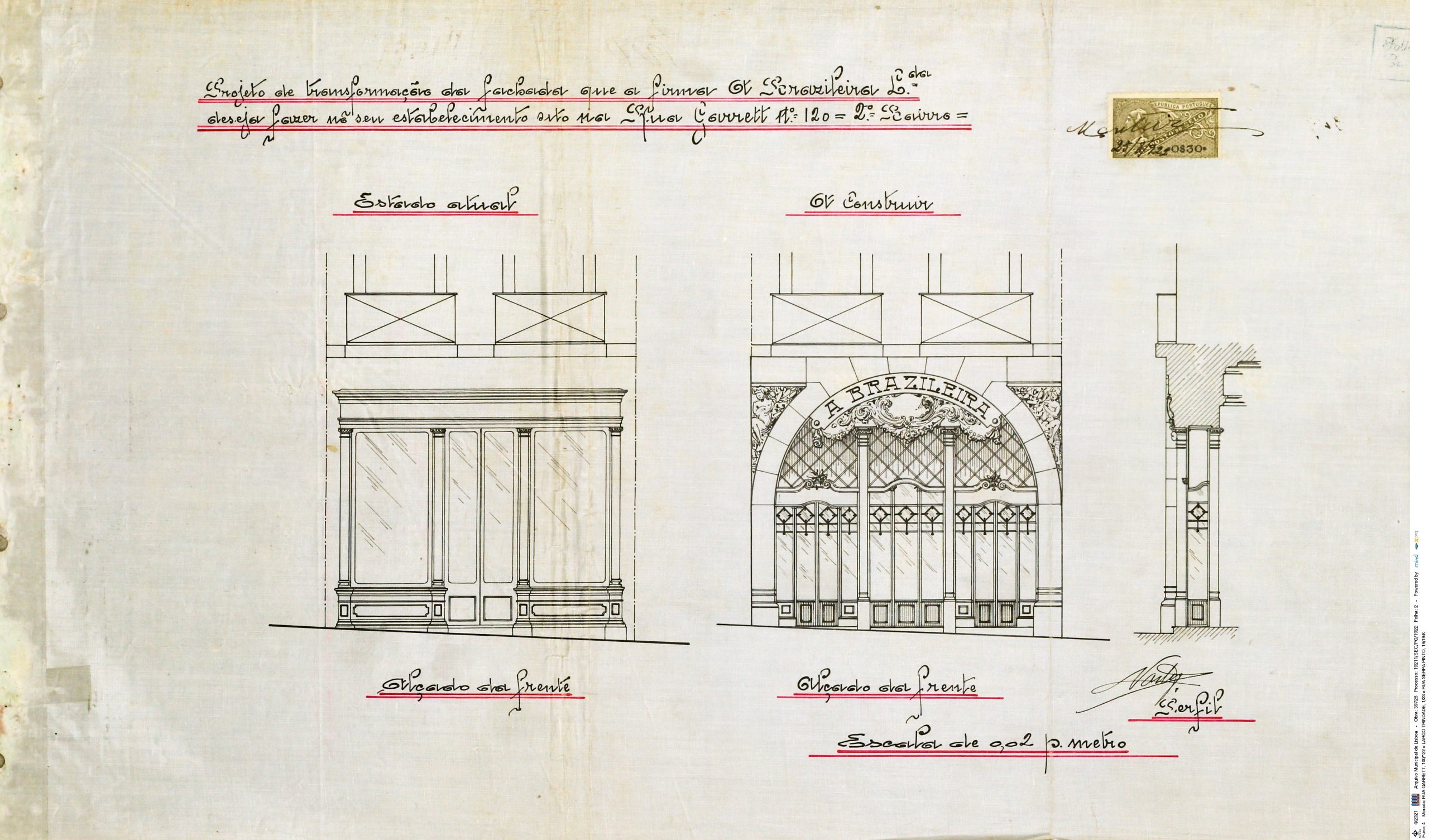
Over the following decades, A Brasileira became a well-known intellectual meeting point. In 1920, the magazine Ilustração Portugueza described the debates at its tables as “calm and considered.” But the creative energy of the era also left its mark: there are records of chairs being thrown during an argument between Aquilino Ribeiro and Alfredo Pimenta. As Alfredo Marques would later write, “there was no literary or artistic problem that did not find in A Brasileira its finest scholars.”
It was there that the modernists found one of their first stages. Three years before the first Futurist Conference, Almada Negreiros had already referred to the Orpheu magazine group as “a bunch of harmless lunatics”. And it was at A Brasileira that these “lunatics” gained expression.
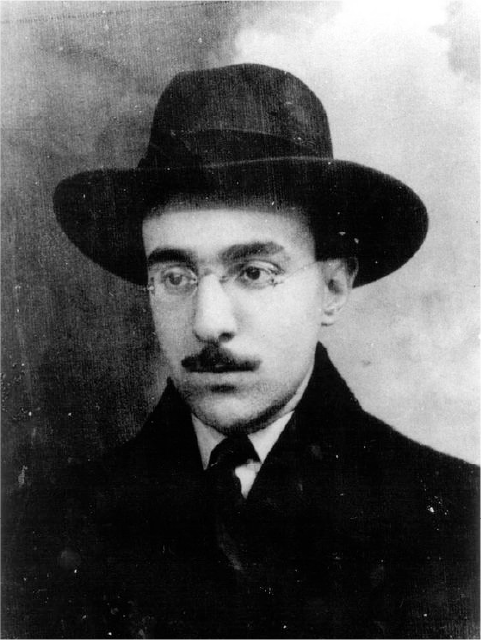
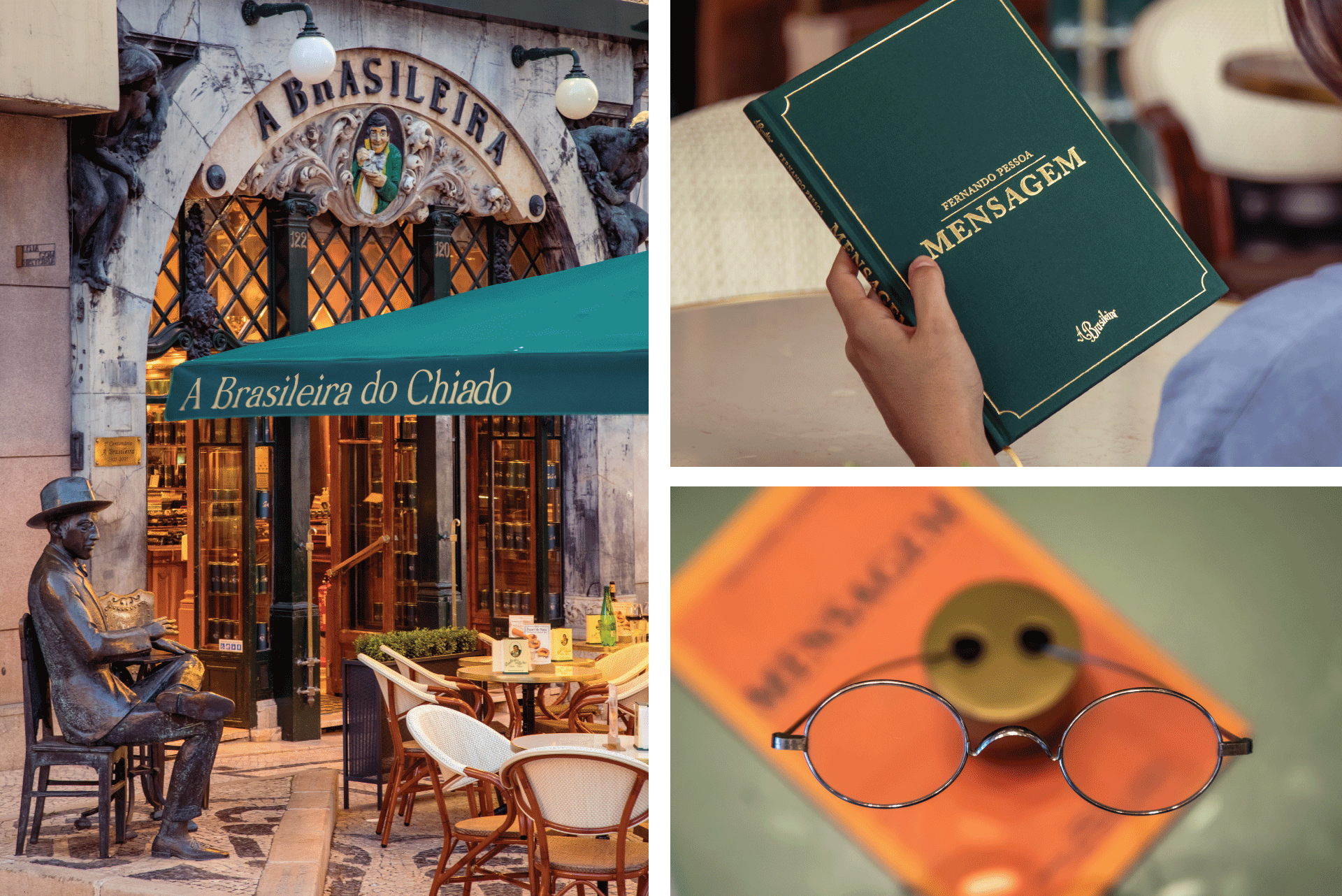
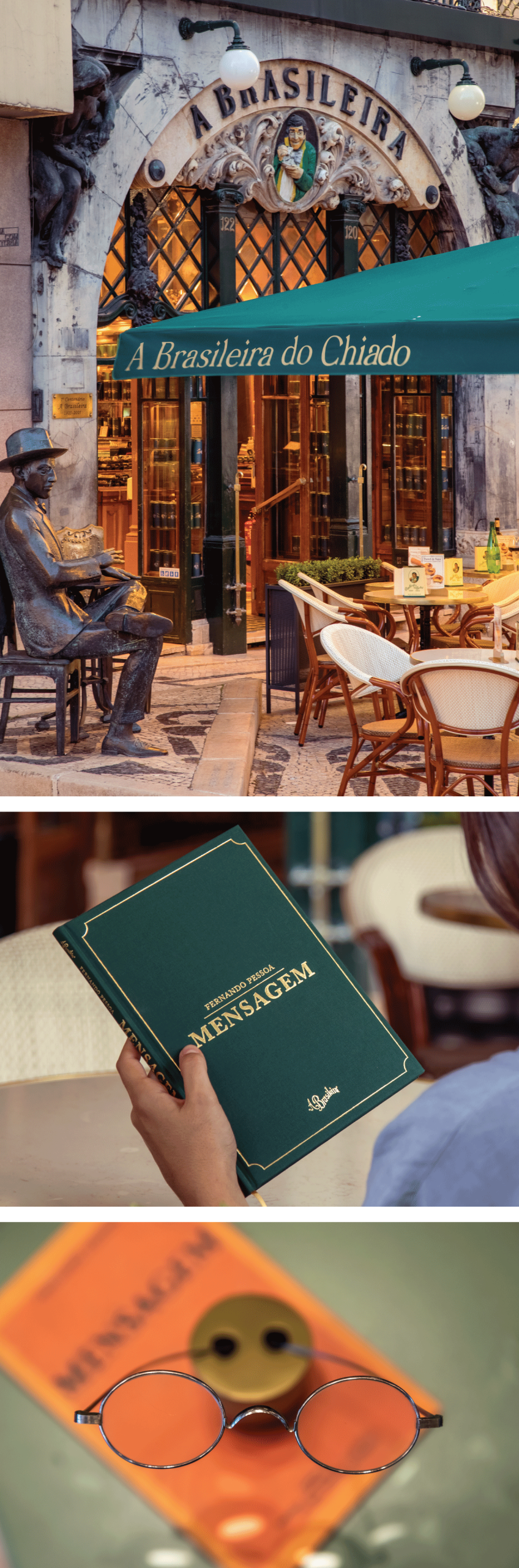
Fernando Pessoa began to frequent A Brasileira regularly from the 1920s onward, becoming a familiar presence at its tables – always discreet, always observant. He preferred the more secluded corners, where he would read, write or simply observe. It was in this vibrant literary atmosphere that Pessoa wrote many of his texts and, according to some accounts, gave voice and body to several of his multiple personas. His connection to the café became so symbolic that, in celebration of the centenary of his birth in 1988, it was immortalised in the bronze statue that now sits on the terrace – as if he had never left.
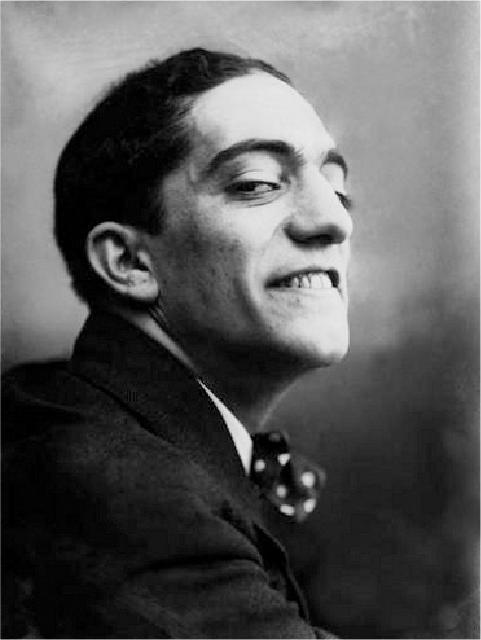
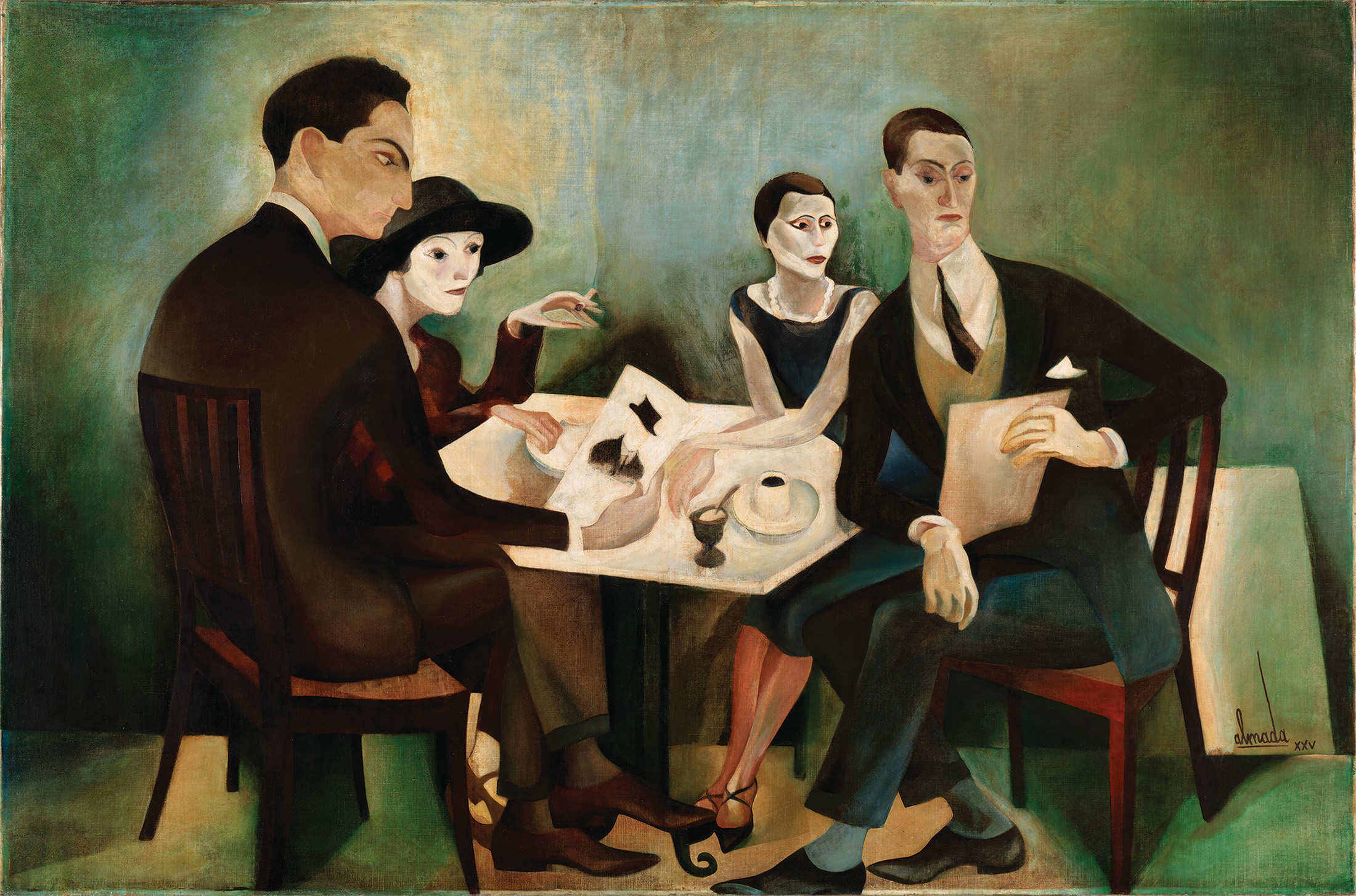
Adriano Telles would continue, throughout his life, to support the arts and the press. He launched the biweekly publication A Brasileira and, in 1925, commissioned a series of paintings by young Portuguese modernist artists. Almada Negreiros, António Soares, Jorge Barradas, Bernardo Marques, Stuart Carvalhais, José Pacheko and Eduardo Viana created a collection of canvases, turning A Brasileira into the city’s first contemporary art museum. The choice, at the time, sparked controversy: the paintings, rejected by the National Museum of Contemporary Art, found their natural home at A Brasileira.
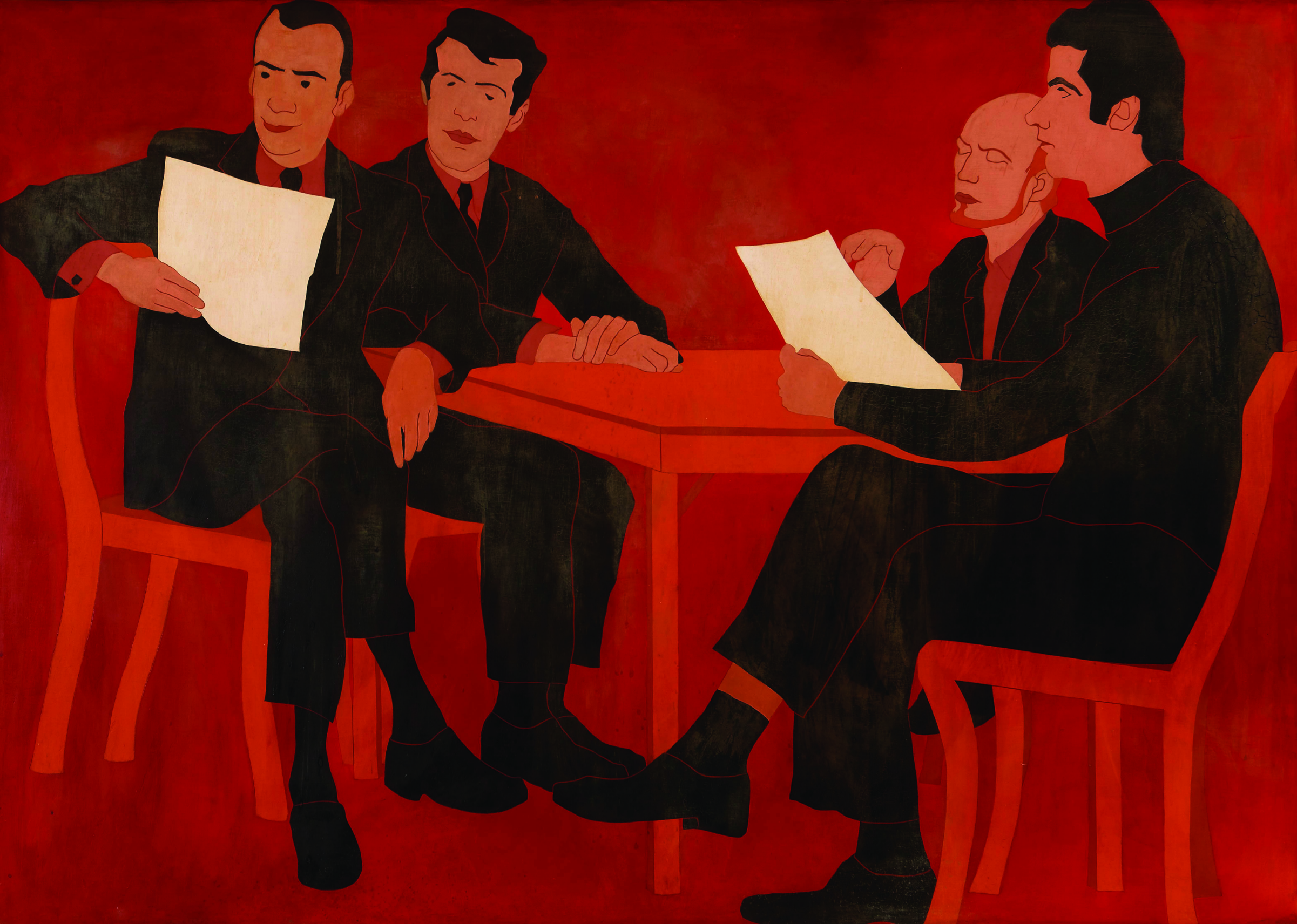
In 1971, a new decorative chapter began, based on a proposal by Joachim Mitnitzky. Contemporary artists were invited to contribute, reflecting the artistic movements of the 1960s: abstractionists, figurative artists, letterists and neo-figurative representatives – as Rui Mário Gonçalves later described. And the walls of A Brasileira came to life again with works by Manuel Baptista, Fernando de Azevedo, Nikias Skapinakis, Vespeira, António Palolo, Noronha da Costa, João Vieira, Eduardo Nery, Joaquim Rodrigo, Carlos Calvet and João Hogan.
It was also at A Brasileira that the term “bica” is said to have originated – possibly an acronym for “beba isto com açúcar” (drink this with sugar), according to a more popular theory. A more credible version attributes the name to the espresso machine itself, from which the coffee flowed directly into the cup from the “bica” (spout), reinforcing the authenticity of the experience, without having to pass through a pot before being served – a transition said to compromise the coffee’s quality.
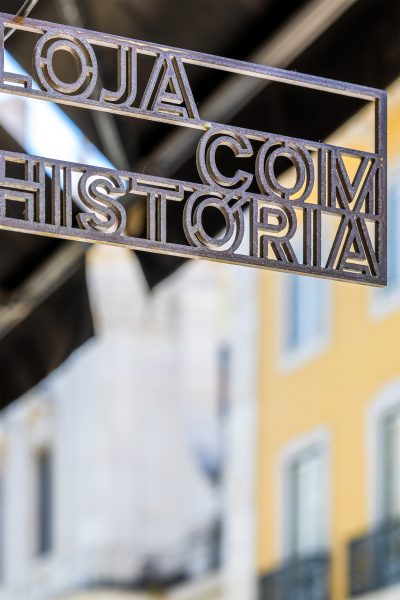
Classified as a Property of Public Interest since 1997, A Brasileira is one of only three historic cafés in Lisbon that have survived the 20th century and remain in operation. In 2017, it received the “Shops with History” award from the Lisbon City Council.
Today, Fernando Pessoa continues to inhabit this space – in the terrace statue, in the glasses on display, and in the special edition of Mensagem, the poet’s greatest work, published in bilingual versions by A Brasileira.
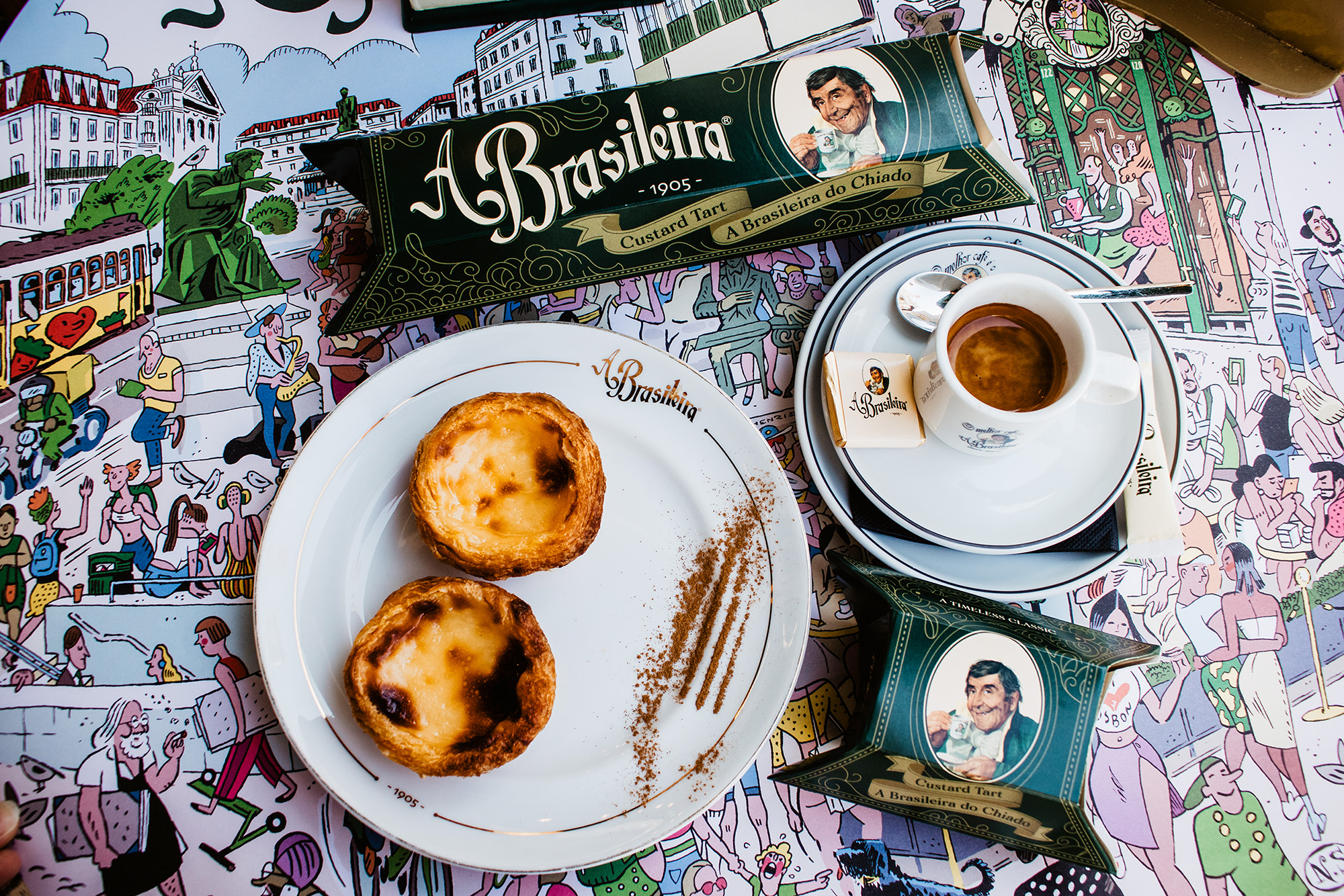
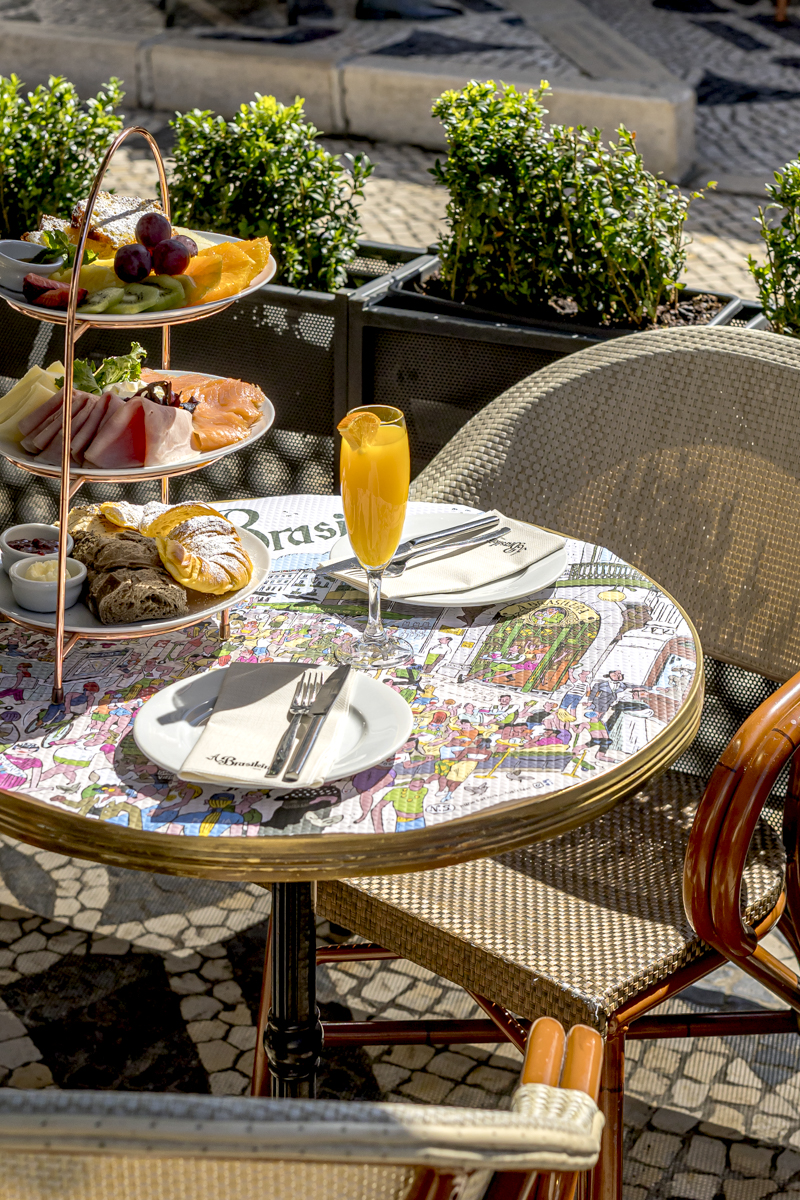
In 2021, the MNAC – National Museum of Contemporary Art marked the 50th anniversary of the modernist works installed at A Brasileira with an exhibition dedicated to that landmark moment in Portuguese art. In 2023, illustrator Nuno Saraiva immortalised A Brasileira on a tablecloth depicting life in Chiado – a tribute to Lisbon, created by those who live it.
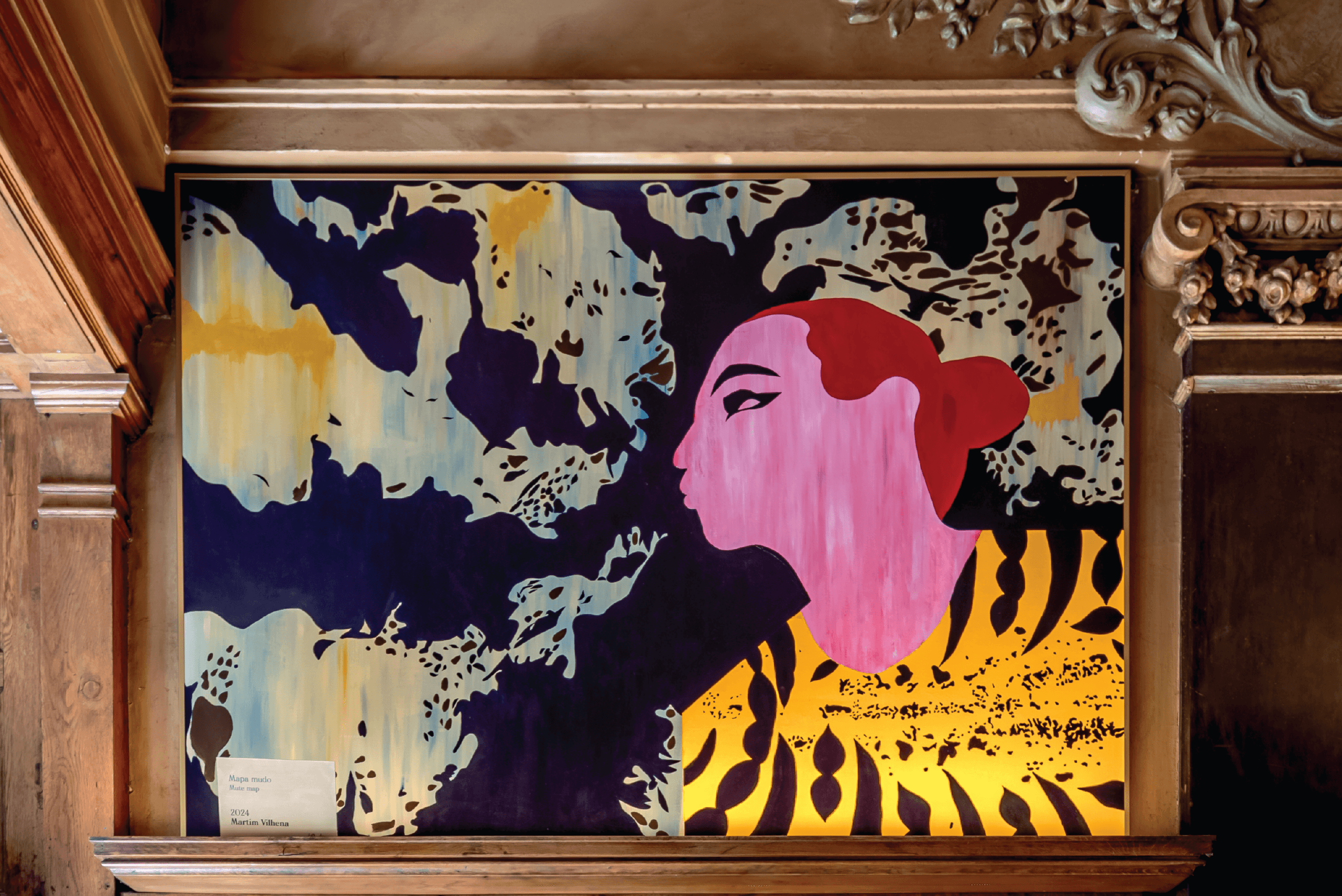
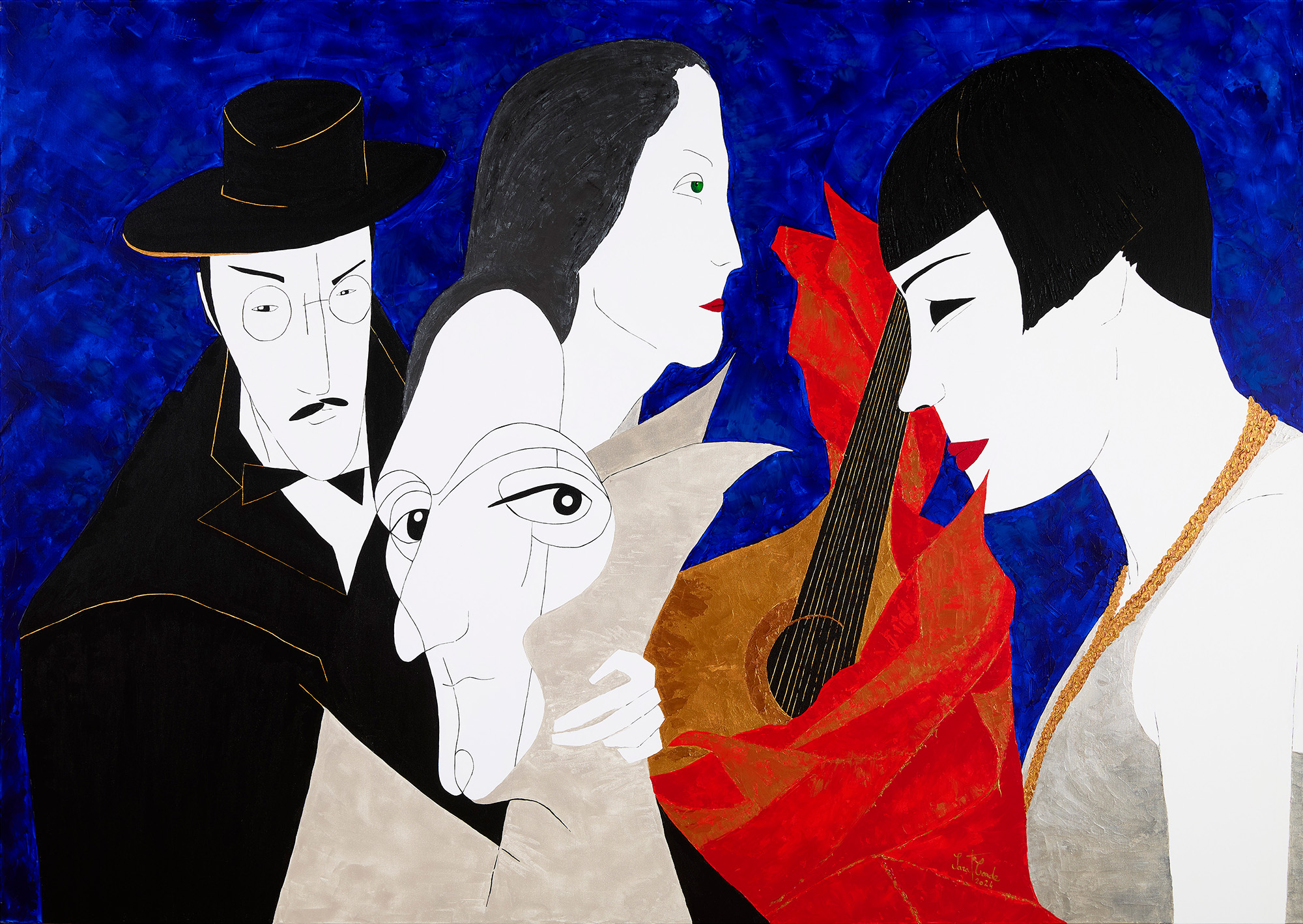
In 2025, the centenary of the first generation of modernist paintings that Adriano Telles placed on A Brasileira’s walls in 1925 will be celebrated. To mark the occasion, a Painting Prize was launched in partnership with the “Shops with History” programme of the Lisbon City Council. António Faria, Catarina Mendes, Catarina Oliveira, Filipe Amaral, Isabella Navarro, Margarida Botelho, Martim Melo de Vilhena, Nelson Ferreira, Rui Braz and Sara Conde were the winners. The ten awarded works are on display in the café until the end of the year, while the historic pieces from 1971 have gone for restoration and will return to their place on the walls in 2026.
Also in 2025, A Brasileira distinguished itself by launching the first ever editions of Mensagem translated into Hindi, the third most spoken language in the world; Tetum, the official language of Timor-Leste, and Ukrainian. Joining these absolute premieres were new translations into Romanian, Arabic, Polish, and Russian, further expanding the existing collection of bilingual editions in Portuguese, English, Spanish, German, French, Italian, and Mandarin. The purpose is unequivocal: to bring to the entire world Fernando Pessoa’s greatest work, the one that celebrates Portugal in its very essence.
Today, as always, A Brasileira remains true to its cultural vocation. As the emotional home of the Mensagem de Lisboa newspaper, it also gives stage to the country’s diversity through its regional newspaper kiosk, bringing all of Portugal to the café table.
More than a century later, it continues to fulfil its purpose: to be a place of encounters and ideas. A space where culture and economy blend with intelligence and beauty – and where art finds new audiences while the coffee retains its timeless soul. Because all it takes is a hexagonal table, a bit of conversation and a bica for A Brasileira to keep making history – every single day.
Menu
Since 1905, A Brasileira has been synonymous with coffee – not only as a drink, but as a gesture, a habit, and a meeting point in Portuguese culture.
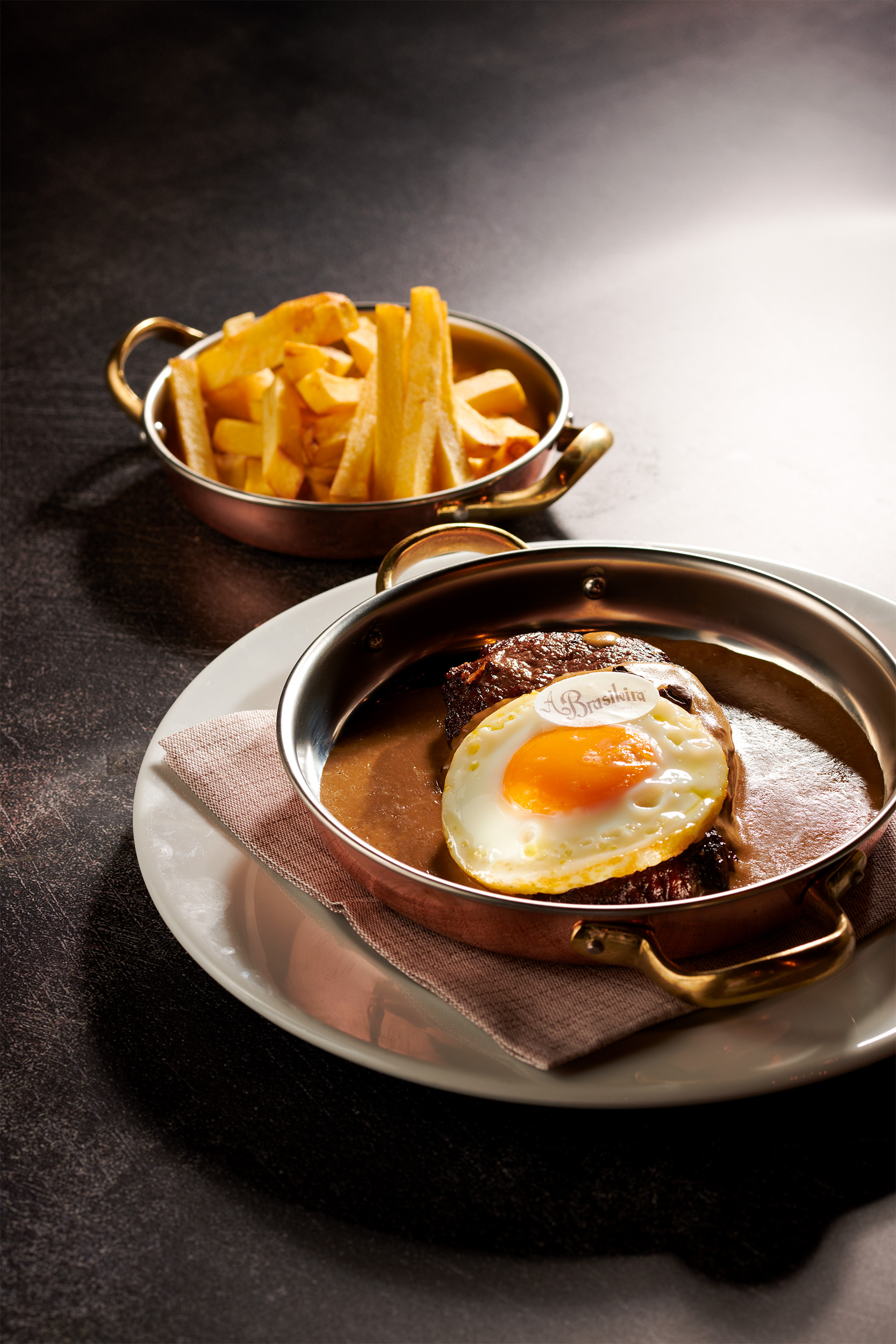
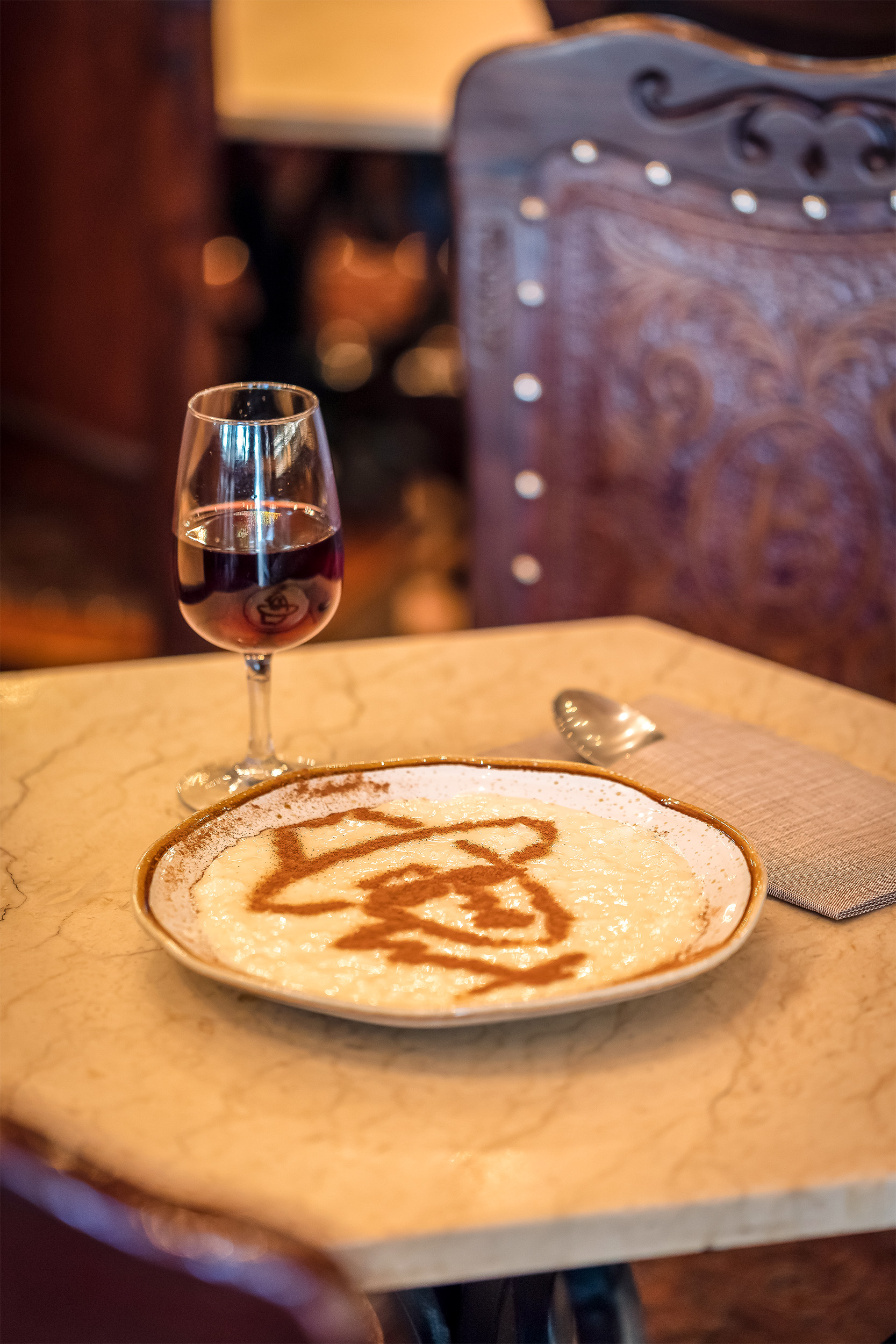
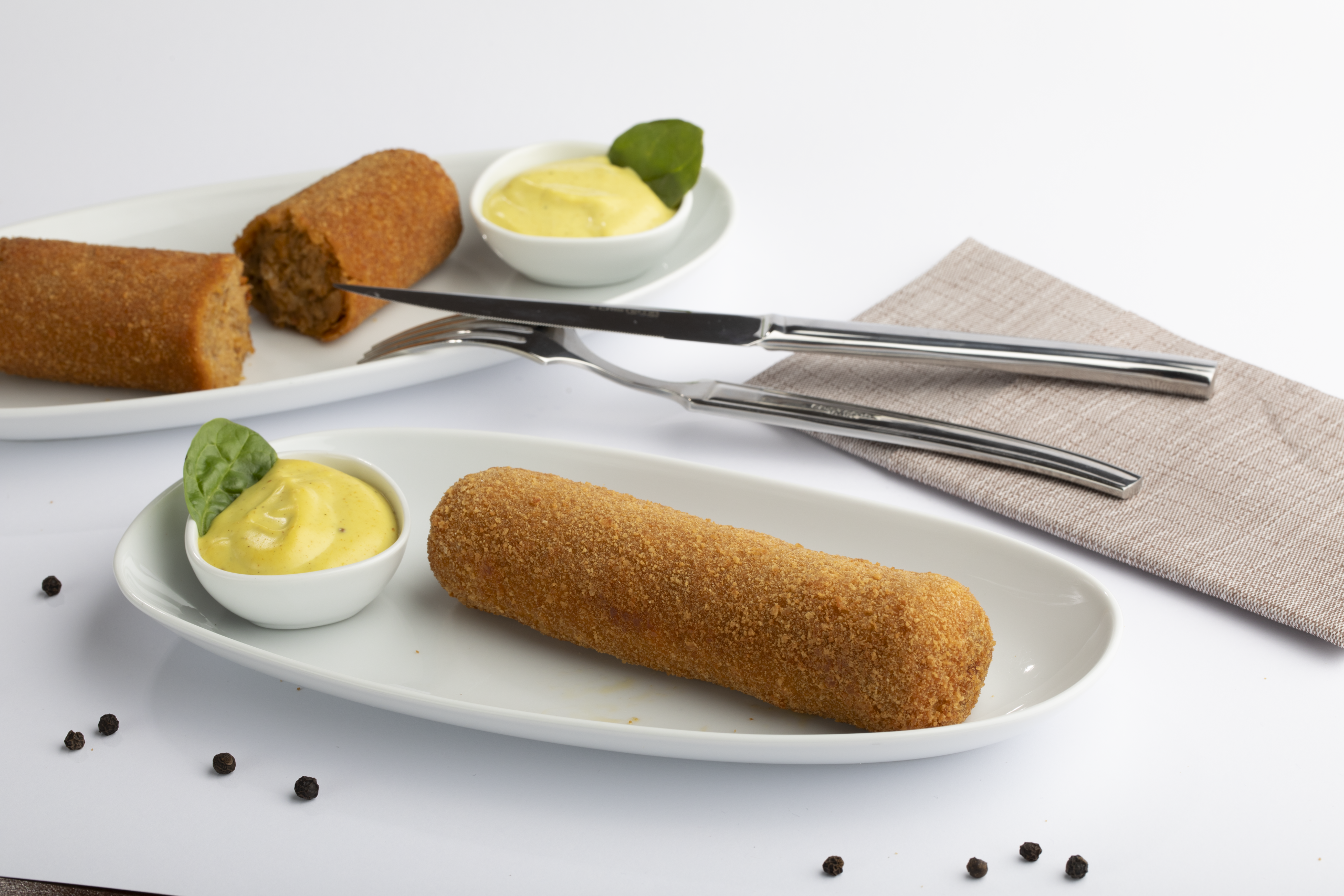
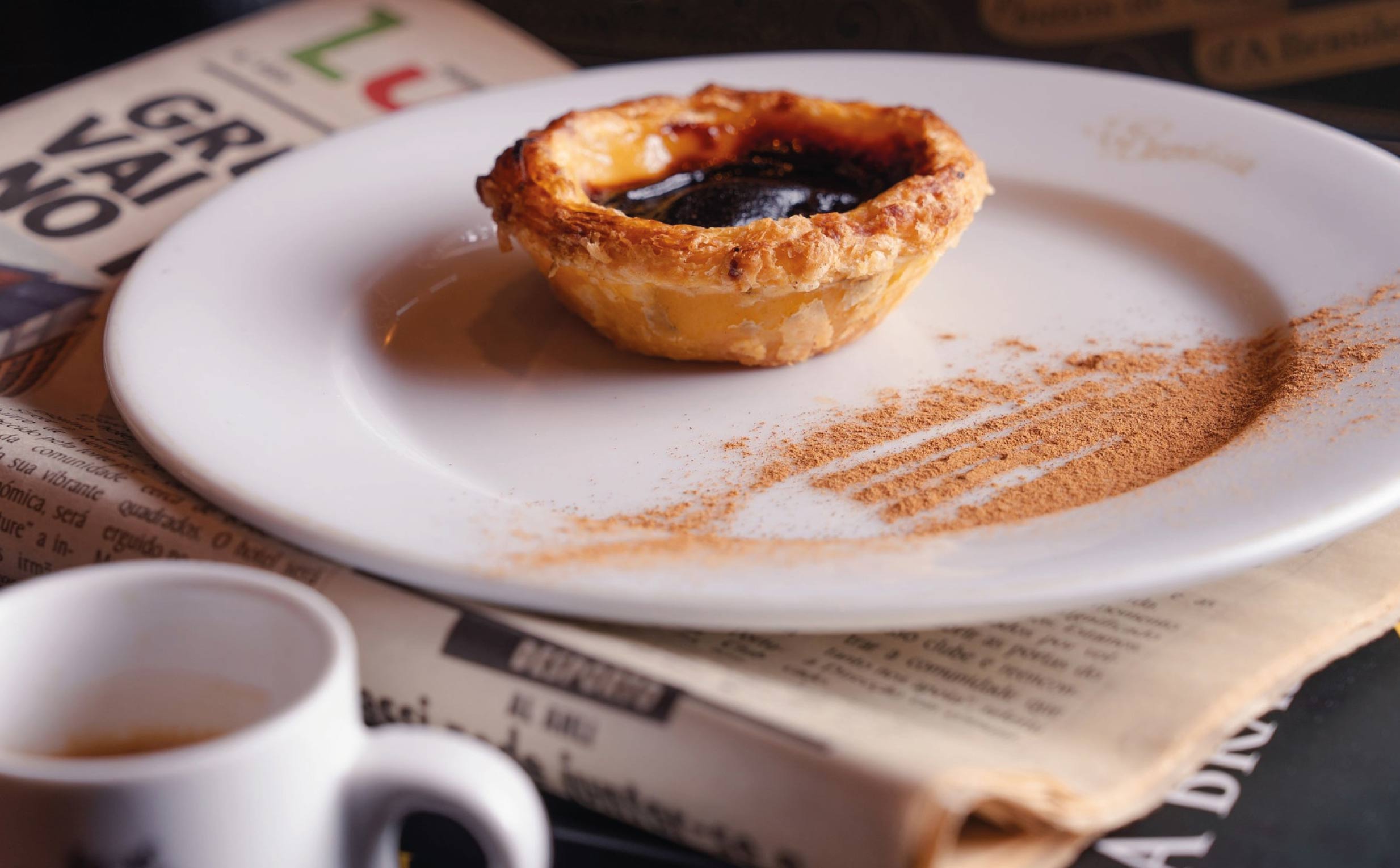
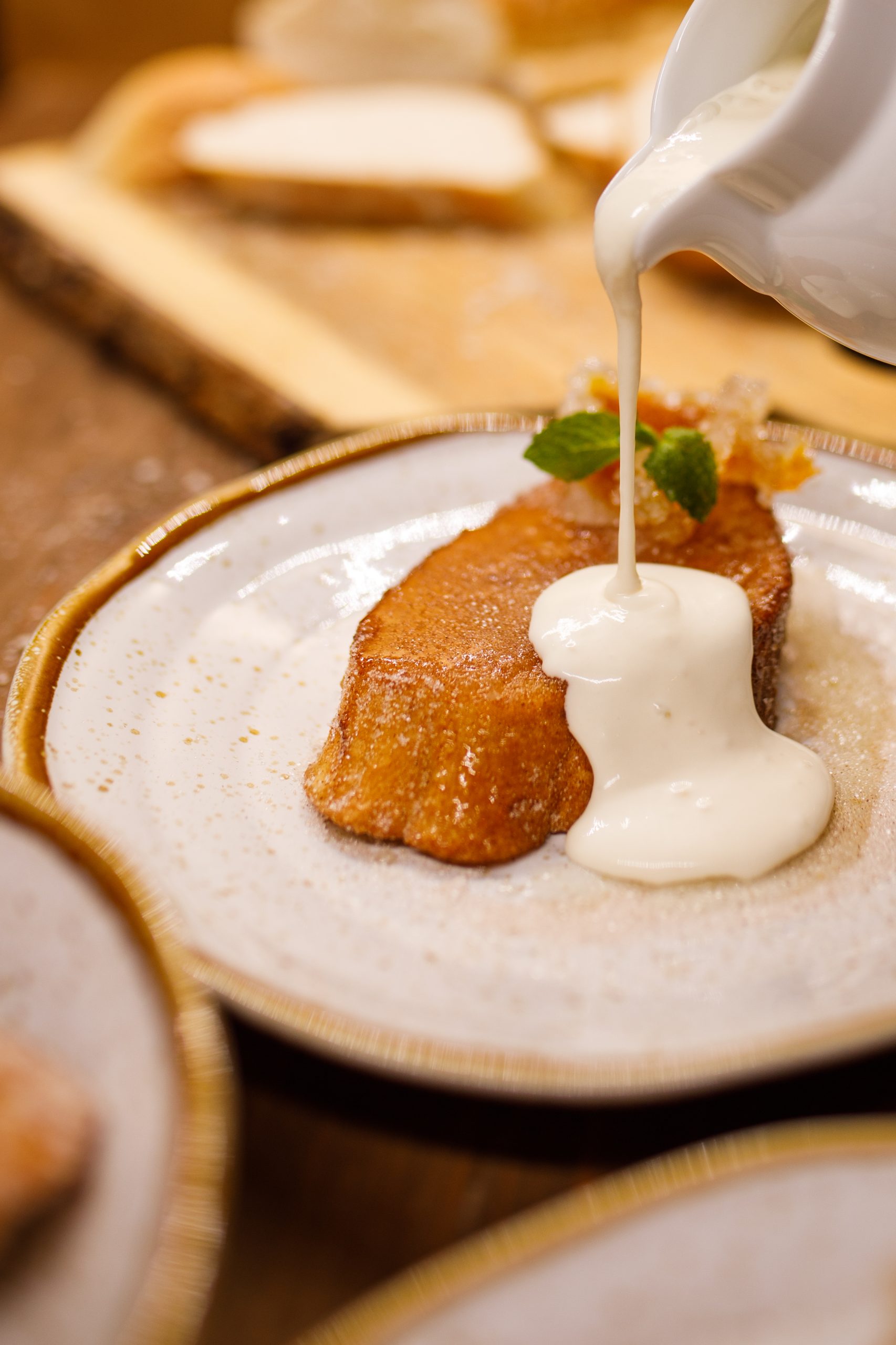
True to the vision of its founder, Adriano Telles, the coffee served at A Brasileira maintains its connection to its origins: carefully selected beans, with special emphasis on those from Brazil, where the knowledge of cultivation and roasting results in an exclusive blend, with deep aroma and balanced sweetness. The menu invites you to savour time. From breakfast on the terrace, to classic dishes like the Bife à Brasileira – a favourite of Fernando Pessoa – and traditional pastries, everything is intertwined with coffee.

Fernando Pessoa
(1888-1935)
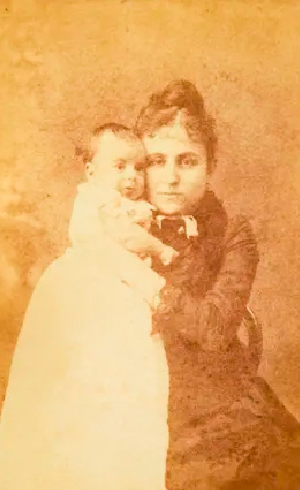
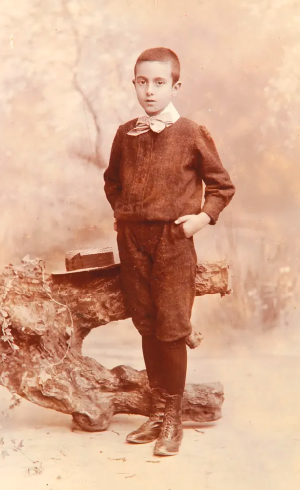
Fernando António Nogueira Pessoa was born in Lisbon on June 13, 1888. The early death of his father, when he was only five years old, marked his childhood and shaped an introspective personality, where silence and imagination became a refuge.
At the age of seven, Fernando accompanied his family to Durban, South Africa, where he lived for nine years. It was there that he received an English education and absorbed the culture that would later merge with Portuguese tradition. He returned to Lisbon in 1905 – the same year that A Brasileira opened in Chiado – bringing with him a rare sensitivity, made of exile and lucidity.
Chiado was “his village.” He was born in Largo de São Carlos, the Lisbon neighborhood most sprinkled with bookstores, antiquarian booksellers, and cafes, and it was also the location of the National Library of Portugal from 1836 onwards, operating in a wing of the Convent of São Francisco where the National Museum of Contemporary Art is located today.
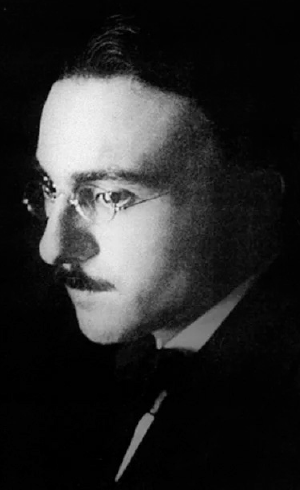
Fernando Pessoa’s ‘uncle’ (Henrique Rosa, the writer’s stepfather’s brother) was a man of literary gatherings, a regular at A Brasileira café, and is said to have brought his nephew Fernando there several times. In these gatherings, a man of culture and literature like Fernando Pessoa, a budding genius but excessively shy and ill-suited to social contact, found among his intellectual peers an ideal environment to emerge from his almost chronic grayness. And he was a different person: vibrant, fun-loving, enthusiastic, according to the testimony of close friends.
See more
Fernando Pessoa became a regular at A Brasileira. He chose the most discreet corners, where he read, wrote, and observed. There he found not only coffee, but a place of refuge, listening, and reflection. Between a “bica” (espresso) and a few words of conversation, many of his texts were genesised – and the poet metamorphosed into one of the greatest figures of literary modernity.
A few years after the establishment of the Republic, A Brasileira do Chiado became an independent haven for Fernando Pessoa, his writings, and his notes.
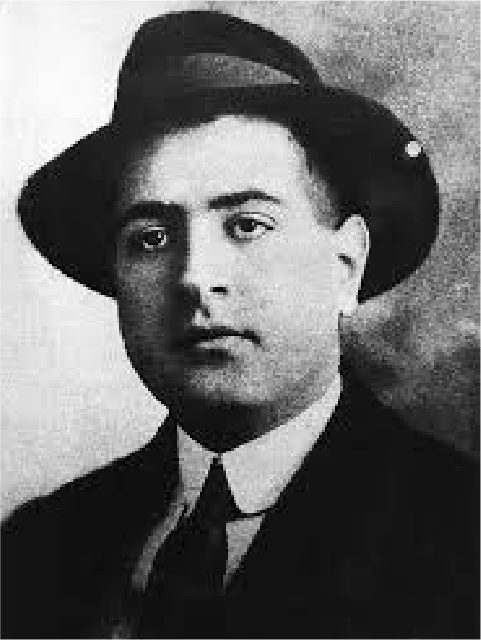
From 1912 onwards, A Brasileira do Chiado became a meeting point for Fernando Pessoa and many of his friends, such as Almada Negreiros, Mário de Sá-Carneiro, Armando Côrtes-Rodrigues, Santa Rita Pintor, and several others who were part of the Orpheu Generation, the defunct and inextinguishable magazine of 1915.
The year 1913 is very well documented in relation to Fernando Pessoa’s visits and stops at A Brasileira do Chiado, namely in the writer’s correspondence, arranging meetings with his literary companions at the café; or even in a famous short and fleeting diary, in which Pessoa records his visits to the establishment.
From February 15th to April 9th, 1913, this diary (abandoned after two months) includes multiple references to the Brasileira café in Chiado, more than fifty of them, almost daily, on some days showing us passages and encounters made by chance or arranged there, both morning and night. It is curious how Fernando Pessoa followed the natural course of things by simply calling the Brasileira café in Chiado “Brasileira,” thus distinguishing it from the Brasileira café in Rossio, which opened in 1911.
As a public space open to all types of customers, A Brasileira do Chiado was not immune to having patrons who were on the wrong side of perceptions regarding what Fernando Pessoa the politician was. Before the establishment of the Republic, many people thought that Fernando Pessoa was a critic of the Monarchy in general, when what he actually was was a critic of the state to which the Portuguese Monarchy had arrived. After 1910, with the Republic and the state of chaos that ensued in the country, with one government falling after another, assassinations, coups d’état, many people considered Fernando Pessoa a nostalgic monarchist; and always on the wrong side, a conservative on the most backward side of the country’s political evolution.
As Ofélia Queiroz recounted in her 1978 testimony, “Fernando and I,” it was this same more radical customers that fundamentally drove Fernando Pessoa away from A Brasileira do Chiado, because, according to the writer’s girlfriend, they even threatened him more than once with “a few beatings” if he showed up there. It is presumed that these physical threats began shortly after the crushing of the monarchist revolt of 1919. And in 1920, the writer confessed to Ofélia that he was already always passing by here on the other side of the sidewalk…
Fernando Pessoa unfolded into more than a hundred pseudonyms, alter-egos, and, above all, heteronyms – complete personalities, with their own biography, ideology, profession, and voice. Among them were writers, astrologers, doctors, friars, or philosophers. This fragmentation became the most original and unsettling trait of his work. Regarding this phenomenon, he wrote: “a trace of hysteria that exists in me. (…) The mental origin of my heteronyms lies in my organic and constant tendency towards depersonalization and simulation.”
Fernando Pessoa, who wished to “be everything in every way,” died in Lisbon on November 30, 1935, at only 47 years old. Much of his work would only be known after his death, when the famous wooden trunk containing thousands of pages to be discovered was opened. A unique literary legacy that would forever transform Portuguese and universal literature.
Inside A Brasileira, the glasses Pessoa wore while writing Mensagem, acquired from the poet’s family, are on display, along with a rare first edition of this unique work: the only book Pessoa published in Portuguese during his lifetime. Due to its literary and symbolic significance, Mensagem was published by A Brasileira in bilingual editions (Portuguese, English, French, Spanish, Italian, German, Mandarin, Arabic, Romanian, Polish, Hebrew, Russian, and three previously untranslated languages: Hindi, Tetum, and Ukrainian), available only at the Café – a continuous tribute to the genius who, upon his passing, left as his last sentence, written in pencil in English at the top of a sheet of paper: “I know not what tomorrow will bring”…
Text produced in collaboration with Ricardo Belo de Morais, writer and literary researcher.
Address and Contacts
Rua Garrett, 120/122, 1200-205 Lisboa
+351 213 469 541
(Call to the national fixed phone network)